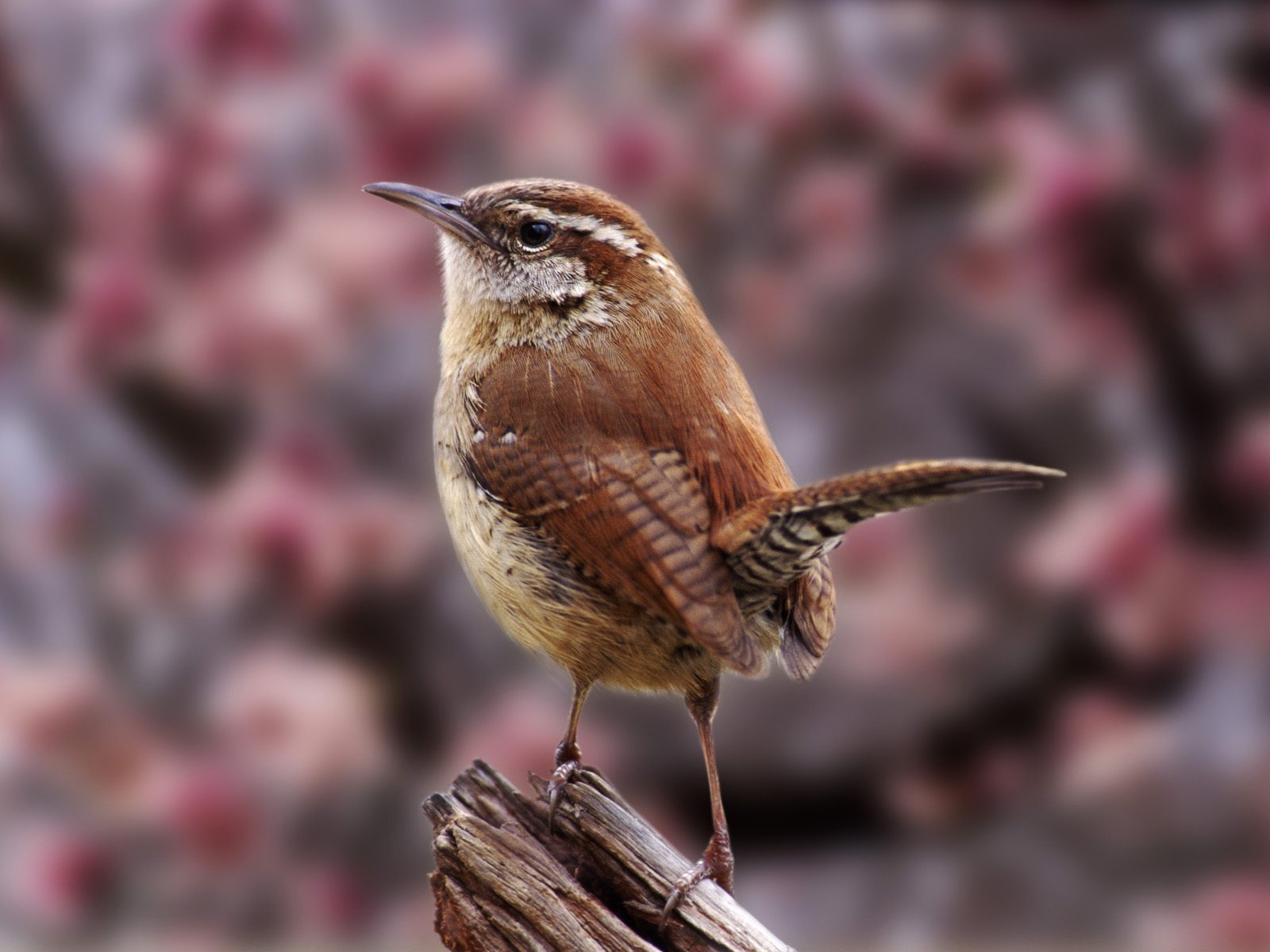
The California towhee (Melozone crissalis) is a bird of the family Emberizidae, native to the coastal regions of western Oregon and California in the United States and Baja California Sur in Mexico.
The taxonomy of this species has been debated. At the higher level, some authors place the towhees in the family Fringillidae. Within the group, there has been debate about whether the distinction between this species and the similar canyon towhee (Melozone fuscus) should be at the specific or subspecific level. The two populations are quite isolated from each other, and molecular genetics seems to have settled the matter in favour of two distinct species for the present. On the other hand there seems to be little distinction between the northern and Baja Californian populations within M. crissalis.
The taxonomy of this species has been debated. At the higher level, some authors place the towhees in the family Fringillidae. Within the group, there has been debate about whether the distinction between this species and the similar canyon towhee (Melozone fuscus) should be at the specific or subspecific level. The two populations are quite isolated from each other, and molecular genetics seems to have settled the matter in favour of two distinct species for the present. On the other hand there seems to be little distinction between the northern and Baja Californian populations within M. crissalis.
Appearance
The California towhee's coloring is dull brown overall with light rust undertail coverts and buff or rust colored streaks at the throat. There is little sexual dimorphism. It is around 20–25 cm (7.9–9.8 in) in length, and has a noticeably long tail of 8.2 to 11.6 cm (3.2 to 4.6 in). Its appearance suggests a large, plain sparrow. Males weigh from 48.6–61.2 g (1.71–2.16 oz), with an average of 53.9 g (1.90 oz), while females weigh from 46.3–61.2 g (1.63–2.16 oz), with an average of 51.8 g (1.83 oz). Among standard measurements, the wing chord is 7.9 to 10.4 cm (3.1 to 4.1 in), the bill is 1.3 to 1.6 cm (0.51 to 0.63 in) and the tarsus is 2.3 to 2.8 cm (0.91 to 1.10 in).
Habitat of California Towhee
This bird's natural habitat is brush or chaparral, but it adapts well to urban parks and gardens. However, its skulking habits combined with its nondescript appearance mean that it is not one of the better known garden birds even though it is regularly drawn to feeding stations.
Nests are typically found in low branches or shrubs about 0.5 to 4 m (1.6 to 13.1 ft) above ground. The nest is a bulky cup made of twigs, stems, grasses, and hair.
Nests are typically found in low branches or shrubs about 0.5 to 4 m (1.6 to 13.1 ft) above ground. The nest is a bulky cup made of twigs, stems, grasses, and hair.
Behavior California Towhee
The California towhee feeds on the ground or in low scrub where it prefers a variety of seeds and some insects. It is most often seen traveling or feeding singly or in pairs.
The call consists of a single-note sound that different people hear as seet, cheet, cheenk or peenk and the song consists of a long repeating series ended with a trill.
The female incubates the nest of 2 to 4 eggs alone for 11 days. Eggs are laid from March through September with shells that are slightly glossy and pale bluish white with some brownish flecks concentrated mostly on the larger end. Young leave the nest after 8 days.
California Towhee Images